Institute for a Sustainable Earth

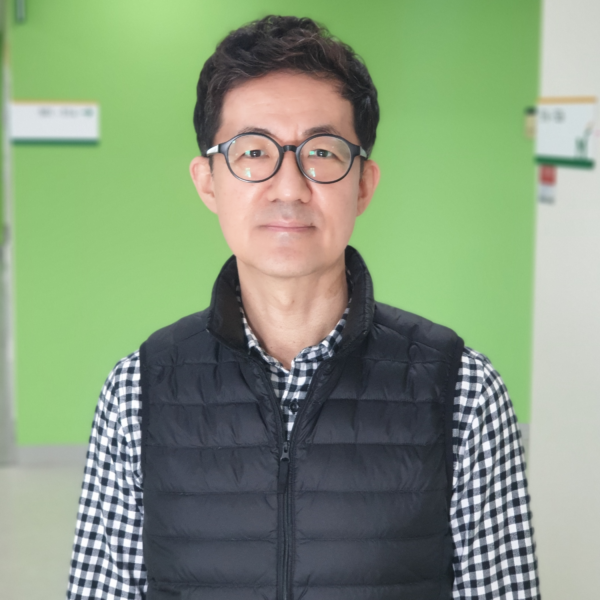
Germaine Buck Louis, PhD

Title: Dean and Professor, College of Health and Human Services

Phone: 703-993-1918

Website: https://chhs.gmu.edu/profile/view/492551

Groups: Faculty

Research Focus

My research is aimed at identifying environmental exposures that impact human health, particularly fertility and children’s health.

Current Projects

■ LIFE Study – understanding how endocrine disrupting chemicals affect couples’ ability to become pregnant and carry a pregnancy to delivery

■ ENDO Study – understanding endocrine disrupting chemicals and gynecologic diseases, particularly endometriosis

■ Exposome – understanding the totality of environmental exposures and health across the lifespan: how gynecologic and urologic diseases impact adult health.

Select Publications

Louis, G. M. B., et al. (2018). Endocrine disruptors and neonatal anthropometry, NICHD Fetal Growth Studies – Singletons. Environment International, 119, 515-526.

Louis, G. M. B., et al. (2018). Endocrine disrupting chemicals in seminal plasma and couple fecundity. Environmental Research, 163, 64-70.

Louis, G. M. B., et al. (2017). Low-level environmental metals and metalloids and incident pregnancy loss. Reproductive Toxicology, 69, 68-74.

Louis, G. M. B., et al. (2016). Paternal exposures to environmental chemicals and time‐to‐pregnancy: overview of results from the LIFE study. Andrology, 4(4), 639-647.


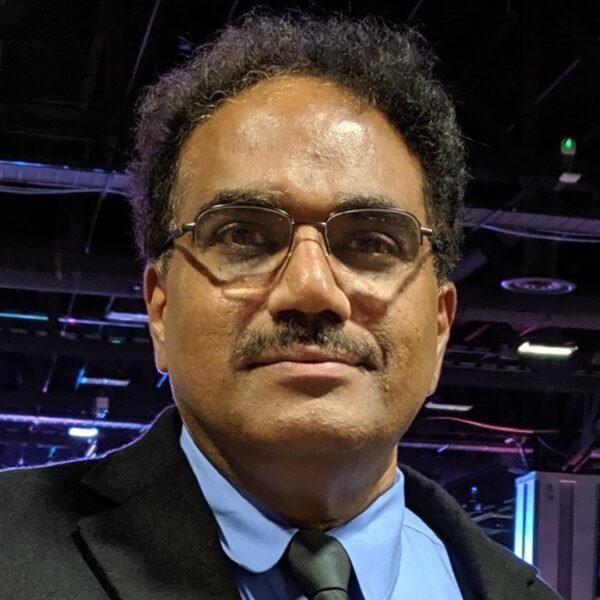
David Wong, PhD

Title: Professor, Geography and Geoinformation Science

Phone: 703-993-9260

Website: http://geospatial.gmu.edu/

Groups: Faculty

Research Focus

I study the geographical-spatial dimensions of population and health, as related to the physical and built environments using tools in Geographic Information Systems (GIS) and spatial statistics. Population dynamics, both spatial and temporal, are the sources of almost all problems. Therefore, understanding population, it’s dynamics and characteristics, is a must to address any problem.

Current Projects

■ Choropleth Mapping of SEER*Stat data incorporating data reliability statistics.

■ Uncertainty in Spatial Data: Identification, Visualization and Utilization.

■ Heuristic spatial cluster detection methods.

Select Publications

■ DasGupta, D. and D. W.S Wong. (2020). How “dependent” are we? A spatiotemporal analysis of the young and the older adult populations in the US. Population Research and Policy Review.

■ Oka, M., and D. W. S. Wong. (2019) Segregation: a multicontextual and multi-faceted phenomenon in stratified societies. In Handbook of Urban Geography, eds. T. Schwanen and R. van Kempen, 255–280. Edward Elgar Publishing.

■ Koo, H., D.W.S. Wong, and Y. Chun. (2019). Measuring global spatial autocorrelation with data reliability information. The Professional Geographer 71(3): 551-565.


Ioannis Bellos, PhD

Title: Assistant Professor, Information Systems and Operations Management

Phone: 703-993-1788

Website: http://mason.gmu.edu/~ibellos

Groups: Faculty

Research Focus

Through my research, I investigate the economic and environmental performance of product-based service business models. The novelty of these models lies in the fact that customer value is linked primarily to the “use” rather than the “ownership” of the product. Such business models represent one of the major ways through which conventional manufacturing firms have recently “servicized” their business. In my research, I refer to such models as servicizing business models, and I evaluate how a firm can design them so that they are economically and environmentally superior to conventional sales models. My research analyzes decisions pertaining to pricing, product design (e.g., efficiency), service availability and the effect of environmental regulations. These elements also provide the underpinnings of newfound business models that are part of the sharing and access economy.

Current Projects

■ ”The Interaction of Car-sharing Business Models with Secondary Markets”: In this paper, we study how car-sharing service offerings should be managed along with car sales. We focus on how often a car-sharing provider should refresh its fleet. This decision influences both the primary and secondary market. For instance, a car-sharing provider that renews its fleet very often in order to attract customers may be unknowingly creating the right incentives for them to buy a used car.

Select Publications

Agrawal, V. V., & Bellos, I. (2016). The potential of servicizing as a green business model. Management Science, 63(5), 1545-1562.

Bellos et al. (2017). The car sharing economy: interaction of business model choice and product line design. Manufacturing & Service Operations Management, 19(2), 185-201.

Bellos, I., & Kavadias, S. (2018). When should customers control service delivery? Implications for service design. Production and Operations Management, 28(4), 890-907.

Bellos, I., & Ferguson, M. (2017). Moving from a product-based economy to a service-based economy for a more sustainable future. In Bouchery Y., et al. (Eds.), Sustainable Supply Chains (pp. 355-373). Springer, Cham.


Changwoo Ahn, PhD

Title: Professor, Department of Environmental Science and Policy

Phone: 703-993-3978

Website: https://www.changwooahn.com/

Groups: Faculty

Research Focus

My research centers on a long-term study of functional development and design elements for created mitigation wetlands, which includes biodgeochemistry, ecological modeling, constructed wetlands, urban green infrastructure, soil carbon and nitrogen, denitrification and water quality, plant and microbial communities, and system ecology.

Current Projects

■ Design elements for creating wetlands to restore ecosystem functions and services (i.e., N cycling for water quality in wetlands and plant community productivity and carbon cycling)

■ Ecological modeling and system ecology (e.g., STELLA system modeling and analysis)

■ Microbial community indicators for ecological functions in wetlands (e.g., soil microbial community structure and biogeochemical signatures)

■ The Rain Project: Students participated in a project-based learning approach aimed at developing innovative interdisciplinary education and scholarship in “The Rain Project”, launching a 1,700-plant floating wetland on Mason Pond in May 2015. The year-long project brought together art, science and engineering students to clean the stormwater pond as well as to spur ecological awareness and literacy. The Rain Project, designed and directed by Professor Changwoo Ahn of Environmental Science and Policy, has been featured as an exemplary case for cross-disciplinary collaboration for community impact in National Academies’ s recent report (2018), titled “The Integration of the Humanities and Arts with Sciences, Engineering, and Medicine in Higher Education- Branches from the Same Tree, David Skorton and Ashley Bear (Eds.).

■ The Dirt Project: Unearthing the story of soil through their colors as affected by climate change and urbanization

Select Publications

Ahn, C., & Schmidt, S. (2019). Designing wetlands as an essential infrastructural element for urban development in the era of climate change. Sustainability, 11(7), 1920.

McAndrew, B., & Ahn, C. (2017). Developing an ecosystem model of a floating wetland for water quality improvement on a stormwater pond. Journal of Environmental Management, 202, 198-207.

Korol, A. R., et al. (2016). Richness, biomass, and nutrient content of a wetland macrophyte community affect soil nitrogen cycling in a diversity-ecosystem functioning experiment. Ecological Engineering, 95, 252-265.


Mohan Venigalla, PhD

Title: Professor, Civil, Environmental and Infrastructure Engineering

Phone: 703-307-4994

Website: https://mohan.venigalla.org/

Groups: Faculty

Research Focus

I specialize in transportation systems analysis and planning with research emphases on sustainable transportation and macroscopic traffic flow. My early career (12 years) was primarily in engineering consulting and research. I have been engaged in teaching and academic research since 2000. My expertise includes modeling of transportation systems encompassing travel behavior analysis, travel demand modeling, traffic simulation, network analysis, and intelligent transportation systems. My current and prior works covered a range of topics on transportation planning, air quality, transit-oriented developments, shared mobility, and urban freight planning. My research on air quality received national acclaim and was recognized by the National Academy of Sciences with the prestigious Pyke Johnson Award. I was elected a Fellow of the American Society of Civil Engineers and am a registered professional engineer in the Commonwealth of Virginia. I served (2019-2020) as a Faculty Fellow at the Office of the Secretary of Transportation (OST) in the US Department of Transportation (USDOT).

Select Publications

■ Venigalla, M., et. al. (2020). Impact of bikesharing pricing policies on usage and revenue: An evaluation through curation of large datasets from revenue transactions and trips. Journal of Big Data Analytics in Transportation.

■ Venigalla, M., et al. (2018). A methodology to derive land use specific auto-trip emission footprints from household travel survey data. Urban, Planning and Transport Research 6(1), 111-128.

■ Shaughnessy, W. J., et al. (2015). Health effects of ambient levels of respirable particulate matter (PM) on healthy, young-adult population. Atmospheric Environment 123, 102–111.


Emily S. Ihara, PhD

Title: Associate Professor, Social Work

Phone: 703-993-2023

Website: https://chhs.sitemasonry.gmu.edu/profiles/eihara

Groups: Faculty

Research Focus
My research focuses on the social determinants of health, especially for marginalized older people. Social, economic, and environmental conditions shape the context of each individual\’s life and trajectory. For individuals living with Alzheimer\’s disease and related dementias (ADRD) and their care partners, these social determinants are compounded by the presence of a chronic, degenerative, and costly disease. Non-pharmacological, person-centered interventions, such as those involving music or creative storytelling provide ways to improve their lived experiences. My current projects are centered on assessing the effectiveness of community-based and creative arts interventions for this population in order to improve their health and quality of life. I am also interested in the upstream solutions that could improve the fragmented long-term care system to better support the unpaid contributions of informal caregivers and the working conditions of formal caregivers. The changing racial and ethnic composition of the older adult population and their care partners requires multi-level and multi-sector interventions, policies, and systems change to address the social determinants of health from birth to death in order to eliminate health inequities and improve lives.
Current Projects
  • National Nursing Home COVID-19 Action Network
  • TimeSlips: Creative Storytelling for Individuals Living with ADRD and Their Care Partners
  • Mason’s Music & Memory Initiative

Dongqing Wang

Title: Assistant Professor, Department of Global and Community Health

Phone: 703-993-3578

Website: https://www.gmu.edu/profiles/dwang25

Groups: Faculty

Research Focus
I am an Assistant Professor in the Department of Global and Community Health. My research focuses on the nutritional determinants of maternal, child, and adolescent health in low- and middle-income countries. A primary domain of my research is the distributions, determinants, and consequences of inadequate and excessive gestational weight gain in low- and middle-income countries. My research addresses knowledge gaps related to gestational weight gain by pooling individual participant data from national surveys, observational cohort studies, and randomized controlled trials. Another key area of my work is on the impacts of maternal nutrient and food supplementation on the short- and long-term health of mothers and children. I am also interested in adolescent nutrition and school-based interventions to address the double burden of adolescent malnutrition. An emerging area of my interest is using data science and machine learning for the targeted provision of nutritional interventions in resource-limited settings. I am the Co-Investigator of several randomized controlled trials of nutritional interventions among mothers, children, and adolescents in sub-Saharan Africa.
Current Projects
  • Effectiveness and feasibility of BEP targeting strategies, Ethiopia: The goal of this project is to conduct a randomized controlled trial among pregnant women in Ethiopia to evaluate the effectiveness, cost-effectiveness, and implementational aspects of different targeting strategies of antenatal balanced energy and protein supplementation.
  • Nutritional management of growth faltering in infants aged under six months in Asia and Africa; An individually randomized trial: The goal of this project is to determine the effect of nutritional supplementation plus intensive breastfeeding support compared with intensive breastfeeding support alone on mortality, morbidity, and growth in infants aged 0-6 months in low-resource settings in South Asia and sub-Saharan Africa.
  • Family planning and anemia: an assessment of evidence and opportunities: The goal of this project is to build a comprehensive overview of the links between family planning and anemia. Wang’s role in the project is to lead a systematic review to summarize the available epidemiological evidence on the effect of nutritional status on reproductive measures among adolescents and women of reproductive age.
  • Prenatal and postnatal vitamin B-12 supplementation and breast milk status of B-12 in Tanzania: The goal of this project is to examine the effect of high-dose prenatal and postnatal maternal vitamin B-12 supplementation on breast milk vitamin B-12 status among women in Tanzania.
  • Meals, Education, and Gardens for In-School Adolescents (MEGA): The goal of this project is to implement and evaluate an integrated, school-based nutrition intervention package among secondary schools in Dodoma, Tanzania.

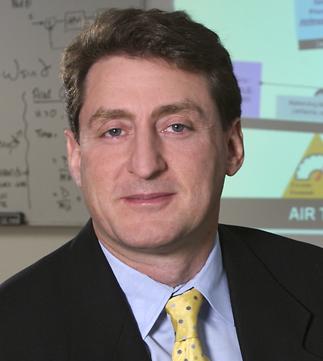
Lance Sherry, PhD

Title: Associate Professor, System Engineering & Operations Research

Phone: 703-993-1711

Website: https://catsr.vse.gmu.edu/

Groups: Faculty

Research Focus

Contrails are the high thin visible clouds formed by jet airliners. Despite their benign look, these clouds contribute directly to global warming. By taking actions to avoid the creation of contrails, the air transportation system can reduce the anthropogenic (i.e. human-made) warming.

Current Projects

■ Method for Contrail Inventory of a National Airspace System
■ Investigate operational changes to avoid contrails
■ Change composition of contrails to reduce global warming
■ Aeromedical and Disaster Preparedness
■ Explainable – Machine Learning

Select Publications

■ Sherry L., and T. Thompson. (2020). Primer on aircraft induced clouds and their global warming mitigation options. Transportation Research Record.

■ Avila, D., L. Sherry, and T. Thompson. (2019). Reducing global warming by airline contrail avoidance: A case study of annual benefits for the contiguous United States. Transportation Research Interdisciplinary Perspectives 2, 100033.


Patricia Maulden, PhD

Title: Associate Professor, The Jimmy and Rosalynn Carter School for Peace and Conflict Resolution

Phone: 571-266-9516

Website: https://carterschool.gmu.edu/profile/view/9538

Groups: Faculty

Research Focus

I explore social actions of violence and nonviolence that involve access to resources, traditional farming practices, negative reactions to land seizures by multinational corporations, and loss of community from climate-based devastation. Embedded within this research approach I focus on generational and gendered dynamics of peace and conflict, social militarization and demilitarization processes, urbanization, post-conflict peace economies, and building peace practices. I investigate NGOs as private peacebuilding contractors, their roles in post conflict peace economies, and the post-conflict paradox of engaging war while attempting to create peace. My field research and field activities include: youth/child disarmament, demobilization, and reintegration in Sierra Leone; community based peace education in Sierra Leone and Burundi; youth focused palaver management in Liberia; reconciliation and the role of the arts in Kosovo; socio-territorial development, local power, and social justice in Salvador, Brazil; human rights, power, and culture in Bahia, Brazil; conflict resolution and natural resource exploitation in Colombia; incorporating dialogue to explore ongoing political, social, and economic concerns in Ukraine; and inclusive dialogue in University Peace Clubs in Ethiopia. Additionally, I conducted practice-focused workshops on dialogue, conflict analysis and resolution, peaceful leadership, building peace, environmental conflicts, and political conciliation in Brazil, Liberia, Columbia, Turkey, and Morocco.

Current Projects

■ I research the theory and practice of civil death in the United States, the implications for the carceral state, mass conviction, mass incarceration, mass disenfranchisement, education inside prison, post-incarceration re-entry, and prison abolition.

Select Publications

■ Sample, E. and Irvin-Erickson, D. (2020). We Don’t Need no Stinkin’ Peacebuilding: The Paradox of Order in the Shadow of Chaos. Building an Architecture of Peacebuilding in the United State, eds. Lanham, MDL. Rowan and Littlefield.

■ Maulden, P. A. (2020). Former incarcerated persons and disenfranchisement in the United States. Nilima: A Journal of Law and Policy (India), 3(2), 75-90.

■  Maulden, P. A. (2018). Targets of Violence, Zones of Peace: The Child and the School as Post-Conflict Spaces. Local Peacebuilding and Legitimacy: Interactions Between National and Local Levels, eds. Hancock, L. and Mitchell, C. Oxford: Routledge.


Michael von Fricken, PhD

Title: Assistant Professor, Department of Global and Community Health

Phone: 703-993-4677

Website: https://chhs.gmu.edu/profile/view/14328

Groups: Faculty

Research Focus

My research interests include vector-borne disease surveillance, control, and pathogen discovery. I have ongoing projects in Kenya, Mongolia, and Haiti focusing specifically on emerging pathogens transmitted by mosquitoes and ticks, and have conducted international training workshops on appropriate field methodology and data management for vector borne disease research. My work has had a direct impact guiding treatment policy of Rickettsial infections in Mongolia and the management of malaria in Haiti. I am currently a Research Associate with the Smithsonian Institution, National Zoological Park, and hold a Visiting Scientist designation with the US Army Medical Research Institute of Infectious Diseases (USAMRIID) Diagnostic Systems Division, based out of Fort Detrick, MD.

Current Projects

■ Global Emerging Infections Surveillance – DoD- A Vector Mapping of Ticks and Tick-Borne Pathogens of Mongolia. This study aimed to isolate and discover high consequence tick pathogens in Mongolia, to develop vaccines, diagnostic assays, and a stronger epidemiological profile of the region.

■ Global Emerging Infections Surveillance – DoD – A Pan-Regional Vector Biosurveillance Network to Detect, Characterize, and Predict Endemic and Emergent Zoonosis in East and Central Africa. This proposal aims to collect and test arthropods from across East Africa for infectious agents, to contribute and guide USAFRICOM policies and best prepare and protect the deployed warfighter and African host country civilians from the threat of emerging vector-borne diseases.

■ Global Discovery Grant – George Mason University – Vector-borne disease surveillance in Kenya. Funded to take 20 undergraduate students to conduct research training for two weeks at Mpala Research Center, Kenya, working alongside the Smithsonian Institution, for summer 2018 and 2019.

Select Publications

■ von Fricken, M. E., et al. (2018). Estimated seroprevalence of Anaplasma spp. and spotted fever group Rickettsia exposure among herders and livestock in Mongolia. Acta tropica, 177, 179-185.

■ von Fricken, M. E., et al. (2014). Age-specific malaria seroprevalence rates: a cross-sectional analysis of malaria transmission in the Ouest and Sud-Est departments of Haiti. Malaria Journal, 13(1), 361.

■ Boldbaatar, B., et al. (2017). Distribution and molecular characteristics of rickettsiae found in ticks across Central Mongolia. Parasites & Vectors, 10(1), 61.