Institute for a Sustainable Earth

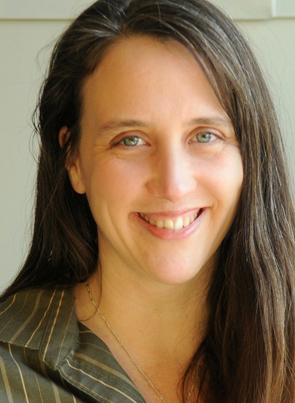
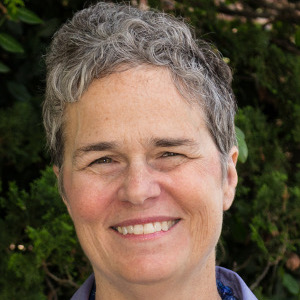
Carol Cleaveland, PhD

Title: Associate Professor, Social Work

Phone: 703-993-2597

Website: https://chhs.gmu.edu/profile/view/5418

Groups: Faculty

Research Focus

My research explores the life trajectories of Latinos who have been forced by violence and/or economic inequality/poverty to migrate to the United States. My recent work has focused primarily on factors contributing to the development of disorders such as PTSD among Latina immigrants from Central America, with particular focus on human smuggling. I am interested in a sustainability projects because scholars of global migration predict further displacement of low-income workers by virtue of climate change and the rendering of some areas as inhospitable by these processes. Factors such as larger and more frequent hurricanes could compel future migrant trajectories from Central America and Mexico in the future.

Current Projects

■ Examination of social determinants of Latina health outcomes through a multi-modality exploration of past traumatic experiences and current psychosocial stressors.

■ A study of Central American asylum seekers that examines their experiences in their countries of origin as well as experiences in the asylum legal process in the United States.

Select Publications

■ Cleaveland, C., & Frankenfeld, C. (2019). “They Kill People Over Nothing”: An Exploratory Study of Latina Immigrant Trauma. Journal of Social Service Research, 1-17.

■ Cleaveland, C., & Kirsch, V. (2019). “They took all my clothes and made me walk naked for two days so I couldn’t escape”: Latina immigrant experiences of human smuggling in Mexico. Qualitative Social Work.

■ Goodman, R.D., et al. (2017). Trauma and resilience among refugee and undocumented immigrant women. Journal of Counseling & Development, 95(3), 309-321.

■ Cleaveland, C., & Shutika, D.L. (2018). “Wouldn’t You Walk Away?” Foreclosures and Homeowner Understandings. Families in Society.
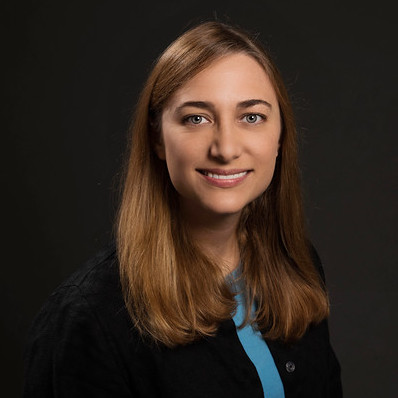
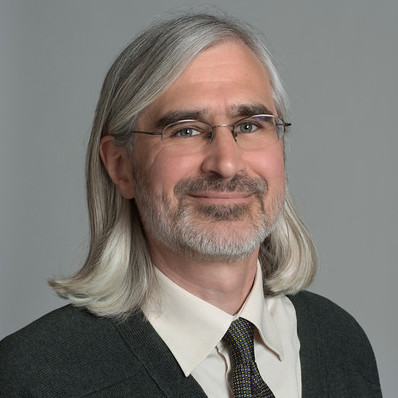
 

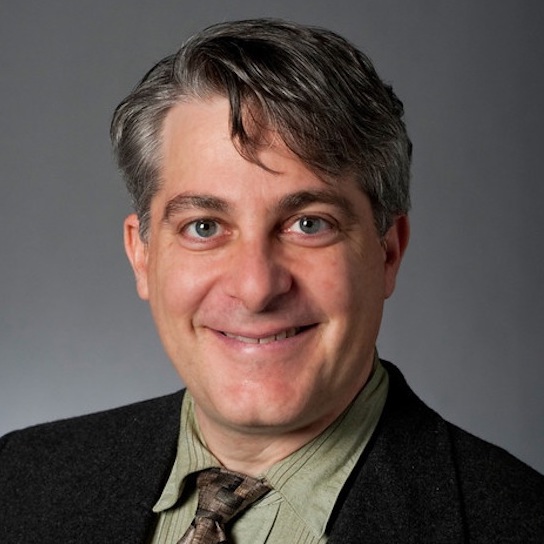
Kathryn H. Jacobsen, PhD

Title: Professor, Global & Community Health

Phone: 703-993-9168

Website: https://chhs.gmu.edu/profile/view/7999

Groups: Faculty

Research Focus

I conduct research on health transitions, the shifts in population disease burden that occur with socioeconomic development, environmental change, and globalization. As an expert on the global epidemiology of hepatitis A virus (HAV), I have provided technical expertise to the World Health Organization (WHO); the Global Burden of Disease (GBD) project, a worldwide collaboration that provides the foundation for improved social, environmental, and health policy and practice by generating up-to-date health metrics for every country in the world; Gavi, the Vaccine Alliance; the European Centre for Disease Prevention and Control; and other entities. My research portfolio also includes epidemiological studies of emerging infectious diseases, adolescent risk behaviors, injury epidemiology, the growing burden from non-communicable diseases in low- and middle-income countries, and other public health concerns. I have also conducted research in Ecuador, Guatemala, Malawi, Sierra Leone, Zambia, and several other countries, and have authored more than 200 peer-reviewed scientific articles.

Current Projects

■ Modeling the changing seroprevalence rates and endemicity levels of hepatitis A virus in countries worldwide.

■ Conducting infectious disease surveillance in Sierra Leone in collaboration with partners at the U.S. Naval Research Laboratory.

■ The Essentials of Emergency Management, (a textbook for Taylor and Francis), is a holistic introductory compilation of emergency management for modern day principles and practices in the US.

■ Examining other aspects of health transitions and the changing burden from infectious diseases, noncommunicable diseases, mental health disorders, and injuries in diverse populations.

Select Publications

■ Jacobsen, K.H. (2020). Will COVID-19 generate global preparedness? The Lancet 395(10229), 1013-1014.

■ Jacobsen, K. H., et al. (2018). Globalization and the changing epidemiology of hepatitis A virus. Cold Spring Harbor Perspectives in Medicine 8(10), a031716.

■ Dariano, D. F., et al. (2017). Surveillance of vector-borne infections (chikungunya, dengue, and malaria) in Bo, Sierra Leone, 2012–2013. American Journal of Tropical Medicine and Hygiene 97(4), 1151-1154.

■ Jacobsen, K. H., et al. (2016). Lessons from the Ebola outbreak: action items for emerging infectious disease preparedness and response. EcoHealth 13(1), 200-212.


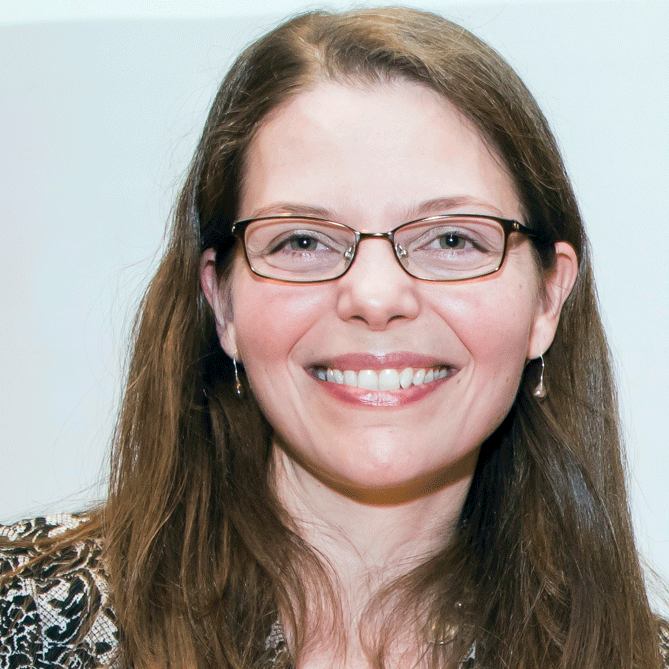
Kenneth Reinert, PhD

Title: Professor, Public Policy

Phone: 703-993-8212

Website: https://reinert.gmu.edu/

Groups: Faculty

Research Focus

My research focuses on international economic policy, globalization, development policy, and economic ethics. I have worked most in the area of trade policy, including trade policy modeling. I have also worked on economic globalization and the ways these processes affect economic development. I also work in the area of basic goods and services provision and the relationship of these to economic ethics.

Current Projects

■ I am writing a book entitled Zero Sum: The Lure of Economic Nationalism.

Select Publications

■ Reinert, K. (2021). Introduction to International Economics. Cambridge University Press.

■ Reinert, K. (2018). No Small Hope: Towards the Universal Provisions of Basic Goods. Oxford University Press.

■ Reinert, K. (2017). Handbook of Globalization and Development. Edward Elgar Publishing.

■ Reinert, K., et al. (2012). Globalization and Development: Meeting New Challenges. Oxford University Press.


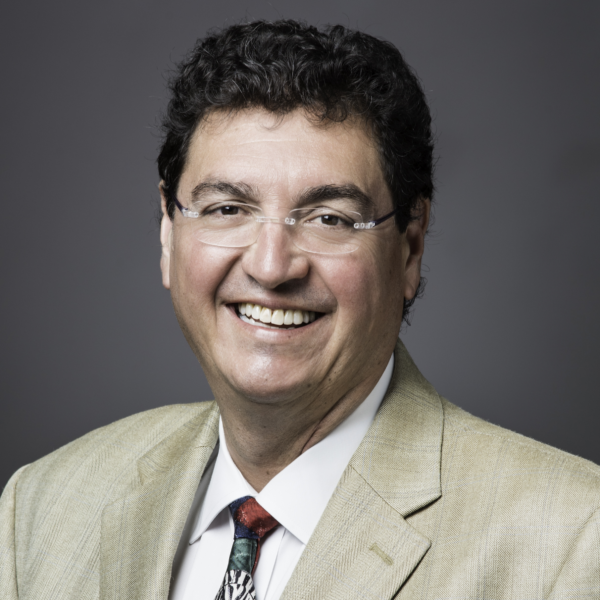
Elizabeth Freeman, PhD

Title: Associate Professor, School of Integrative Studies

Phone: 703-993-9272

Groups: Faculty

Research Focus

As a conservation biologist, I am most interested in applied research that focuses upon how to save endangered species from extinction. The main focus of my research is behavioral endocrinology, which broadly means I investigate how the [internal and extrernal] environment affect the hormones and behavior of species. My projects have a wide-ranging scope from animal behavior, to chemical ecology, evolutionary biology and reproductive, stress physiology. My expertise and the majority of my work has been on mammals, but I welcome collaborations on any taxonomic group. I have experience working with the captive community as well as conducting field work in Africa and have advised graduate students on field projects in Asia and South America. I collaborate with scientific partners from other departments and universities, as well as zoos and governmental agencies. My overall goal is to conduct ethically sound research that can have a positive impact on the species of this planet.

Current Projects

■ Investigating the social and environmental factors that contribute to reproduction in elephants.

■ Understanding the contributions of biotic and abiotic factors to black rhino health and reproduction.

■ Evaluating red panda reproduction, health and well-being.

■ Using non-invasive methods to investigate canid biology.

Select Publications

■ Freeman, E. W., et al. (2013). Ovarian cycle activity varies with respect to age and social status in free-ranging elephants in Addo Elephant National Park, South Africa. Conservation Physiology, 1(1), cot025.

■ Freeman, E. W., et al. (2014). Impacts of environmental pressures on the reproductive physiology of subpopulations of black rhinoceros (Diceros bicornis bicornis) in Addo Elephant National Park, South Africa. Conservation Physiology, 2(1), cot034.

■ Jones, M. K., et al. (2018). Physiological impacts of housing maned wolves (Chrysocyon brachyurus) with female relatives or unrelated males. General and Comparative Endocrinology, 267, 109-115.


Kimberly M Sheridan, EdD

Title: Associate Professor

Phone: 703-993-9181

Website: https://cehd.gmu.edu/people/faculty/ksherida/

Groups: Faculty

Research Focus
I design and study learning environments that support learners\capacity to solve problems, imagine new ways of working and develop their sense of agency in making their ideas real. I partner with museums, libraries and other community organizations to employ design-based research methods to iteratively develop these projects for children and families. I use activity theory, linguistic and other qualitative analyses to understand dimensions of learning, as well as more traditional educational and psychological measures. I focus on how my research is socio-culturally situated and how it promotes equity. As an environmentalist, I am currently actively seeking how to next use my design-based research work to engage children and families\thinking, learning and activity around sustainability and the climate crisis. My work has been funded by the National Science Foundation, the Institute for Museum and Library Services, and the National Endowment of the Arts.
Current Projects
  • Making Connections Work: Designing STEM learning environments to support family interactions
  • Agency and Art: Study of how theater and visual arts learning environments support learner agency

Dann Sklarew, PhD

Title: Professor, Environmental Science and Policy

Phone: 703-993-2012

Website: https://about.me/DannSklarew

Groups: Faculty

Research Focus

My research promotes societal sustainability, ecological stewardship and human-nature symbioses through adaptive management and sage use of shared water resources and related ecosystem services. For instance, how do trends in air and water pollution control in the Washington, DC metro area affect water quality, biodiversity and socio-ecosystem functioning along the tidal Potomac River watershed? Emerging Potomac ecosystem interests include transport of plastic pollution and impacts of climate change, sea level rise and nutrient management on bottlenose dolphin migration. I also examine how society can concertedly realize sustainable development at campus to global scales. This led me to co-create George Mason University’s first climate action plans, Fairfax County, Virginia’s first energy and greenhouse gas inventory, and a study on integrating national energy and water policies. I now apply these methods to understand whether high SD status confers greater ecosystem health and public health benefits on communities. Finally, I’m eager to learn how service and action research pedagogies may foster greater agency among sustainability practitioners and citizens.

Current Projects

■ Microplastics in the tidal Potomac watershed examines how DC-area plastic pollution transits in crumbles through local waterways and water-dependent life.

■ Mason’s next climate action plan aims to provide a feasible and equitable path for the university to achieve net zero greenhouse gas emissions by decoupling our research, education and practice from carbon pollution.

■ My sustainable development studies challenge conventional wisdom that richer nations are more sustainable; that development requires trade offs between economy, equity and ecosystem health; and that public health can be maintained while we dismantle Earth’s life support systems.

Select Publications

■ Sklarew, D. and J. Sklarew. (2018). Integrated water-energy policy for sustainable development. Foresight and STI Governance 12(4), 10-19.

■ Jacobsen, K. et al. (2016). Lessons from the Ebola outbreak: action items for emerging infectious disease preparedness and response. EcoHealth 13, 200-2012.

■ Sklarew, D. and A. Wingfield. (2014). Up the pyramid, around the loop‚ action research cultivates sustainability scholars to green the campus. CUR Quarterly 35(1), 5-10.

■ Smith, A. and D. Sklarew. (2013). A mid-Atlantic brook trout (Salvelinus fontinalis) stream sustainability statistic for rating non-tidal streams. Sustainability of Water Quality and Ecology 2013: 68-81.


Graziella Pagliarulo McCarron, PhD

Title: cAssistant Professor, Leadership Studies, School of Integrative Studies

Phone: 703-993-1436

Website: https://integrative.gmu.edu/people/gmccarro

Groups: Faculty

Research Focus

I teach courses on leadership theory, ethics, and leadership, social change, and leadership and organizational problem-solving. As a former student/academic affairs professional and as a current leadership studies faculty member, I have over 20+ years of experience focused on holistic student development, increasing students’ access to higher education, student mattering, community-building, and creating learning climates that transcend time and place.

Current Projects

■ Examination of pre-college factors that contribute to leader emergence and leader-self efficacy in college.

■ Exploration of the lived experiences of first-generation college students who also identify as immigrants or children of immigrants.

■ Unpacking how to bolster a sense of belonging and mattering for students in virtual leadership education courses.

Select Publications

■ Owen, J. E., Krell, M., & McCarron, G. P. (2019). An exploration of civic identity in first-generation college students: From charity to solidarity. Journal of Student Affairs Research and Practice, 1-15.

■ McCarron, G. P., et al. (In press | Fall 2020). Pedagogy and leadership capacity development. In T. Andenoro & K. Skendall (Eds.), Creating a national leadership education research agenda 2020-2024: Providing strategic direction for the field of leadership education. University of Phoenix.


A. Alonso Aguirre, DVM, PhD

Title: Professor and Department Chair, Environmental Science and Policy

Phone: 703-993-7590

Website: http://esp.gmu.edu/a-alonso-aguirre/

Groups: Faculty

Research Focus

I direct an interdisciplinary department spanning the domains of the natural and social sciences, focused on understanding and implementing the science and policy of biodiversity conservation; leadership in water and watersheds; and the application of the one health approach to ecosys- tems and sustainability. I cofounded the emerging discipline of Conservation Medicine under the paradigm “health connects all species in the planet” and as the bedrock of One Health because diseases and toxins know no disciplinary or national boundaries. My research is collaborative, international and multisectoral and has emphasized developing practical, sustainable and effective solutions understanding local socio-economic issues and a solid grasp of complex national and regional health and environmental policies. My collaborations involve transdisci- plinary and socio-ecological and resilience systems, umbrellas of One Health and more recently Planetary Health. My expertise provides novel approaches to define conditions needed to set the targets for Earth’s support systems: land, biodiversity, freshwater and oceans, and how these are linked to the UN Sustainable Development Goals.

Current Projects

■ Effects of the illegal consumption of sea turtles on human health and environmental security.

■ A One Health approach to understanding the risks associated with the trade of chelonians.

■ Characterizing bat-borne virus exposure in cave destinations in Southeast Asia.

■ Video games to test risk-taking practices of visitors to national parks.

■ Assessment of health, fitness, parasite loads and the microbiome of endangered Tasmanian devils.

■ Examining the potential impacts of conservation films on human behavior and the components that make them work.

Select Publications

■ Wilcox, B. A., et al. (2019). Operationalizing One Health employing social-ecological systems theory: lessons from the Greater Mekong Sub-region. Frontiers in Public Health, 7, 85.

■ Aguirre, A. A., et al. (2019). The One Health Approach to Toxoplasmosis: Epidemiology, Control, and Prevention Strategies. EcoHealth, 1-13.

■ Aguirre, A. A., et al. (2019). Transdisciplinary and social- ecological health frameworks—Novel approaches to emerging parasitic and vector-borne diseases. Parasite Epidemiology and Control 4.

■ Aguirre, A. A. (2017). Changing patterns of emerging zoonotic diseases in wildlife, domestic animals, and humans linked to biodiversity loss and globalization. ILAR Journal 58(3).


Brett Froelich, PhD

Title: Assistant Professor, College of Science

Phone: 703-993-3622

Website: https://science.gmu.edu/directory/brett-froelich

Groups: Faculty

Research Focus
I’m interested in the ecophysiology of human pathogenic Vibrio species. I am particularly interested in their interaction with oysters and other shellfish, which are natural reservoirs for these bacteria. My goal is to reduce Vibrio infections that result from shellfish consumption.

Current Projects
  • Using oyster derived antimicrobial peptides for antibacterial control
  • Understanding the role of quorum sensing in Type VI secretion in Vibrio bacteria
  • Developing a probiotic treatment for oysters grown in aquaculture to reduce harmful human pathogens

Daniel H. Temple, PhD

Title: Associate Professor, Anthropology

Phone: 703-993-3447

Website: https://soan.gmu.edu/people/dtemple3

Groups: Faculty

Research Focus

The early life environment and hunter-gatherers link contemporary humans to the past, present and future. Stress in the early life environment reflects systems of inequality that may be perpetuated across the human life cycle, and these experiences are recorded in skeletal and dental tissue. While the concept of a hunter-gatherer has roots in colonial binary oppositions to industrial capitalism, these populations engage in diverse adaptive strategies that speak to the establishment of sustainable communities.

My work on the early life environment reconstructs stress using incremental microstructures of enamel. I use these data to test hypotheses relating to the social and ecological contexts for growth and relationships between stress and mortality. My work with hunter-gatherers incorporates traditional bioarchaeological analyses with resilience theory and new materialism. I investigate questions surrounding the ways in which reciprocal relationships with nature are created and maintained in hunter-gatherer communities. These investigations incorporate measures of diet, mobility, stress, mortuary ritual, and biodistance analysis.

Current Projects
  • Baikal Archaeology Project
  • Late Holocene Biohistory of Alaska
  • Reconstruction of Indigenous Lifeways in the Colonial Southwest